
There’s No Waste In Nature
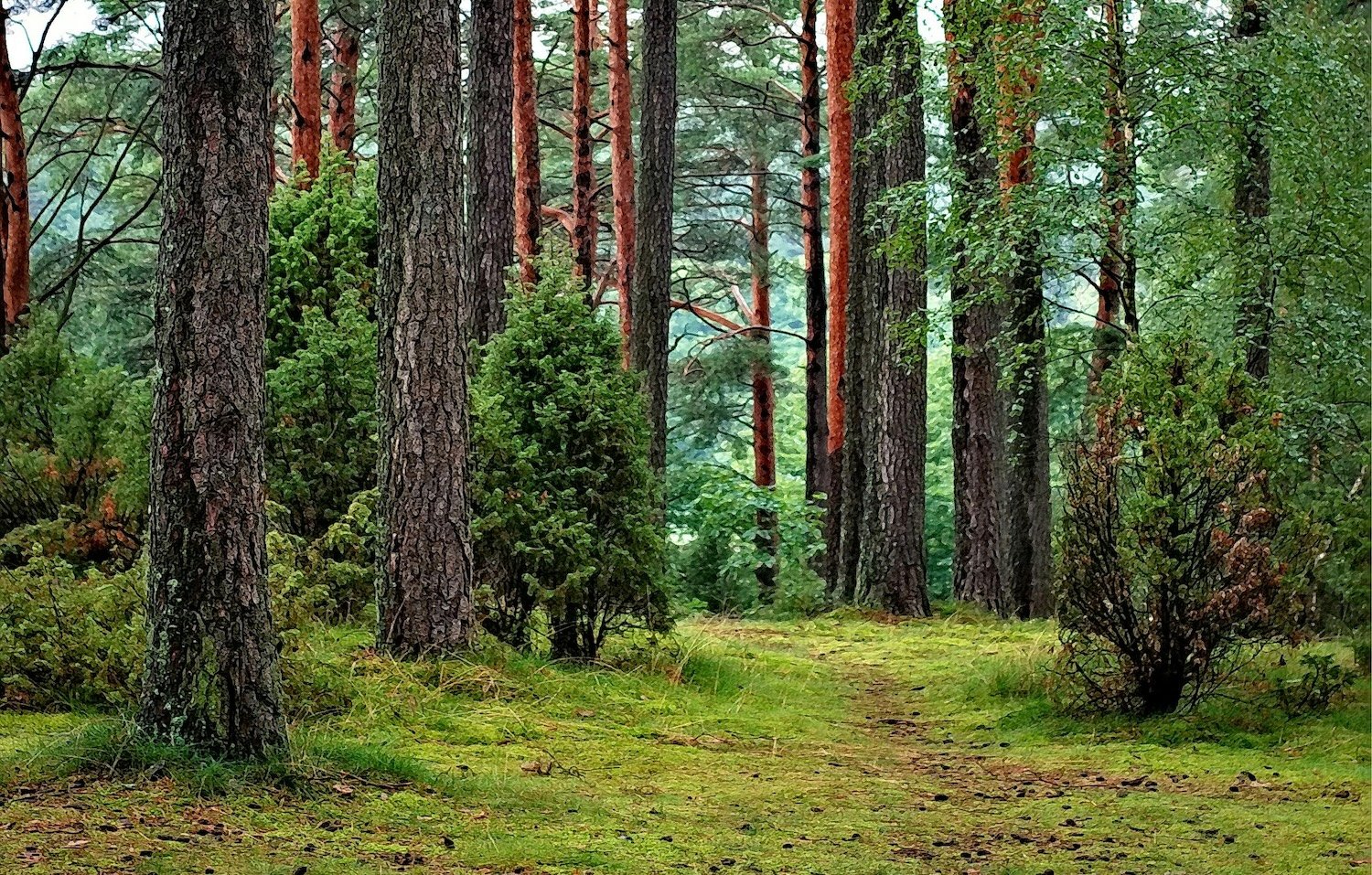
I heard something on a reel this week that stopped my scrolling index finger mid-air.
“There’s no waste in nature.”
It was spoken by Jenni Britton Bauer of Jenni’s Ice Cream in a venture announcement with Misfits Market, and the words landed like one of those quiet truths that feel obvious once you hear them, yet slightly life-altering all the same.
No waste in nature.
Not the fallen leaves that rot into soil, nor the lifeless, hollowed-out crooked tree that becomes a home for birds. Even the forest fires, which appear to be destruction and devastation, are busy making way for new life.
Nature doesn’t discard itself. It transforms.
Jenni’s comment made me wonder when we decided humans were the exception.
If we really are part of creation, not separate from it and not exempt from its laws, then maybe there’s no waste in humanity either.
Not even in our quirks or our wounds. Not even in the people who show up in the world sideways, hideous in their actions, behaving like rabid animals.
BUT, just because they are part of nature, that doesn’t excuse harm. We don’t pretend forest fires aren’t dangerous; we just understand they’re part of renewal. A storm can flatten a town and still be part of the ecosystem, and rot can smell foul and still feed the soil. Nothing is random. Nothing is useless. And everything belongs to the natural cycles of life and Earth—including us.
And then, because life sometimes slams the door right when we’re having a beautiful philosophical moment, the next thing I scrolled to was a clip about the Epstein files; the kind of horror that makes my stomach knot. I’m suddenly faced with the kind of evil that doesn’t feel like a “lesson” or a “cycle” or anything remotely poetic. It’s just cruelty, damage, and heartbreak for those girls and all of us witnessing the callous disregard for them, while being astounded by the protection for their perpetrators.
And before I go further, let me be crystal clear. There is nothing redeemable about abuse. There is nothing natural about exploitation. And there is nothing acceptable about power used to destroy innocence. Some fires are arson, and some storms are man-made. And those violations of nature’s innocence make me want to punch a wall.
A rabid wolf in the forest doesn’t wreak havoc because it’s part of the natural order. It does so because something has gone terribly wrong in its brain and body. The disease hijacks its instincts, turning what was once a balanced creature into a threat that must be stopped for the safety of the whole ecosystem. We don’t excuse the destruction it causes, and we don’t pretend it’s healthy or normal.
In the same way, the horrors exposed in the wake of Jeffrey Epstein and his sick cronies weren’t the dark underside of humanity operating as designed—they were the result of profound moral sickness, enabled by power, secrecy, and silence. And just as a forest must intervene to protect its own, society must confront, contain, and then heal from such evil. We can no longer deny or normalize it. We must unite and commit to never allowing the diseased wolf to roam unchecked again.
Yet here’s where nature whispers something just as true for me, and I hope for you.
Forest fires don’t mean forests are doomed. They mean something will grow and be restored in the future. Darkness in humanity isn’t proof that humanity should be discarded; it’s proof that stewardship matters now more than ever.
The replanting we get to do from the wake of all this entails justice, protection, healing, and accountability. These are the controlled burns that keep the destruction from spreading, as we allow nature to compost the carnage of what has transpired. This is true for all of our shortcomings. They aren’t the end. They’re opportunities for growth and renewal.
The survivors of those men’s hideous actions are the heroes of this story. They are the ones savaged by a gang of rabies-infested wolves, yet they rise to create an army of diverse forest animals strong enough to take down the diseased pack. That’s nature. And because we are all rooted together like trees in a forest, we are part of that renewal. We must stand arm-in-arm with these women, their pain and their suffering (and their truths that are hard as hell to hear). Their abuse and oppression are ours to help heal, too. The minute we do nothing to aid in the survivors’ justice, we become complicit, which makes us just as guilty as the ones who hurt them. Read that again. It makes us just as guilty as the ones who hurt them. Because we are all rooted together like the trees of the forest.
But the good news again is—there’s no waste in nature.
Nature takes what appears to be the end and turns it into nourishment for what comes next. Which doesn’t mean we excuse the rot. It means we don’t let it poison the soil forever. We pluck it out and plant something healthier in its place.
If we are truly part of nature—our breath, bones, and beating hearts—then maybe there’s no waste in humanity either. Not even in our darkest chapters, as long as they lead us to doing better.
May we be brave enough to throw out (or incarcerate) what’s harmful, tend to what’s broken, and continue to believe that even after the ugliest seasons, something beautiful can still grow.
Oh, and the poetic justice of the feminine rising to be what inspires the brave to force the diseased pack out is not at all lost on me. And it shouldn’t be lost on you. Maybe it really is time that the feminine reclaim the Godhead and bring the patriarchy to its knees. And if you think that’s not already reflected in nature, stay tuned for next week’s story. 😉